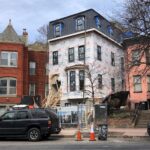
Our past choices about where and how we grow have led to limited and unaffordable housing, and left too many of us dependent on driving for almost everything.
Smarter land use means more inclusive, vibrant, and sustainable communities: communities that are safe and convenient for walking and biking to daily needs – schools, stores, parks, and jobs; offer a diversity of housing options for people at different income levels; and are served by reliable, frequent public transit.
It’s good for our environment, good for people, and good for business.
Direct new homes and businesses to existing communities with access to transit
Providing more homes and businesses in existing communities with transit supports connected, economically thriving communities. It is also more sustainable and efficient than chasing sprawl development with new and costly infrastructure. Instead, focusing growth in already established communities allows us to welcome new neighbors and means private developers can contribute to modernizing aging infrastructure, like our schools, transit services, roads, sidewalks, and stormwater facilities.
Create compact, walkable, bike-friendly, mixed-use communities
We envision communities where each of us can conveniently meet our daily needs, and have more choices in how we get around. Walkable, bikeable, transit-oriented communities can provide easy access to jobs, services, retail, and community gathering spaces. This creates opportunities for connection and requires shorter and fewer car trips—reducing household transportation costs and greenhouse gas emissions.
Preserve rural farms, forests and natural areas
The smart growth approach to land use reduces pressure to convert farms and forests and natural areas to development – which is key in this era of climate change. Instead, smart growth focuses on turning existing and underutilized parking lots and commercial spaces into mixed-use, walkable neighborhoods with homes and businesses. Along with tools like agricultural zoning and conservation easements, this allows us to protect our farms, forests, natural areas, and drinking water supplies.
Latest Happenings
TESTIMONY: Support for Friendship Commons (GEICO Site), Maryland
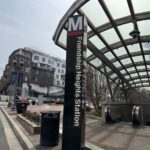
Testimony: Support upzoning Wisconsin Ave. Metro corridor (DC)

All Things Montgomery: June 2026 ☀️
Get caught up on master plans in Montgomery County!